Prices for Japanese whisky vary significantly depending on the country and the sales channel. While a few high‑export bottles can sometimes be cheaper overseas, many popular expressions and limited releases remain more competitively priced within Japan. What is less widely known, however, is that you can purchase whisky directly from an authorised Japanese online shop and have it shipped to your home country. The choice between buying locally overseas or importing directly from Japan leads to substantial differences in both pricing and availability.
For those living outside Japan, the most practical comparison is between local retail prices and the total cost of direct import from Japan, including the bottle price, shipping fees, and any applicable duties. In particular, value‑tier Japanese releases, low‑export bottlings, and limited editions that tend to attract premiums overseas are often more affordable when imported directly from Japan.
The following sections explore these dynamics through the lens of “overseas retail purchase vs direct import from Japan”, highlighting typical pricing patterns and the situations in which importing from Japan offers the strongest value.
Table of Contents
- Price Differences Between Japan and Overseas
- Japanese Whisky Price Tiers
- Price Ranges by Major Distillery: Where to Buy and Why
- Japan MSRP vs Overseas Prices
- Conclusion — Understanding the Market
Price Differences Between Japan and Overseas
In this section, we will compare the price differences for the same whiskies between Japan and overseas markets. Please note that these prices are approximate and subject to change due to exchange rates.
Overseas Can Be Cheaper: Example
Whiskies with large export volumes, such as Yamazaki 12 Year Old, can sometimes be cheaper overseas. Although the Japanese retail price appears lower, once shipping and import duties are added, the total cost often exceeds ¥30,000, making local purchase more economical.
Yamazaki 12 Year Old
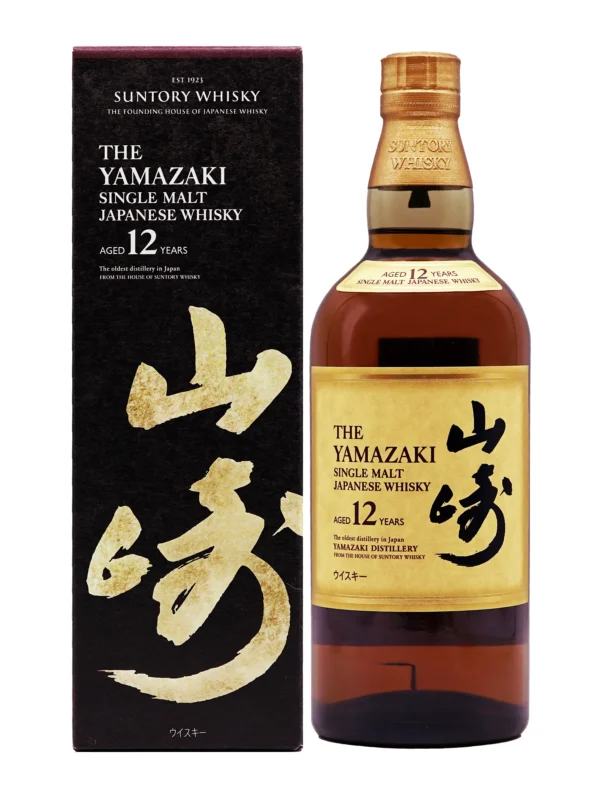
| Japan (Whisky Nights) | ¥24,800 (£124) |
| UK (The Whisky Exchange) | ¥27,600 (£138) |
Conclusion: A typical example where buying overseas can be cheaper overall.
Japan Is Cheaper: Example 1 (Low Export Volume)
Whiskies with limited export allocation tend to be significantly more expensive overseas. This applies to brands such as Kirin Single Malt Japanese Whisky and Mars Komagatake as well as Ichiro’s Malt.
Ichiro’s Malt Wine Wood Reserve
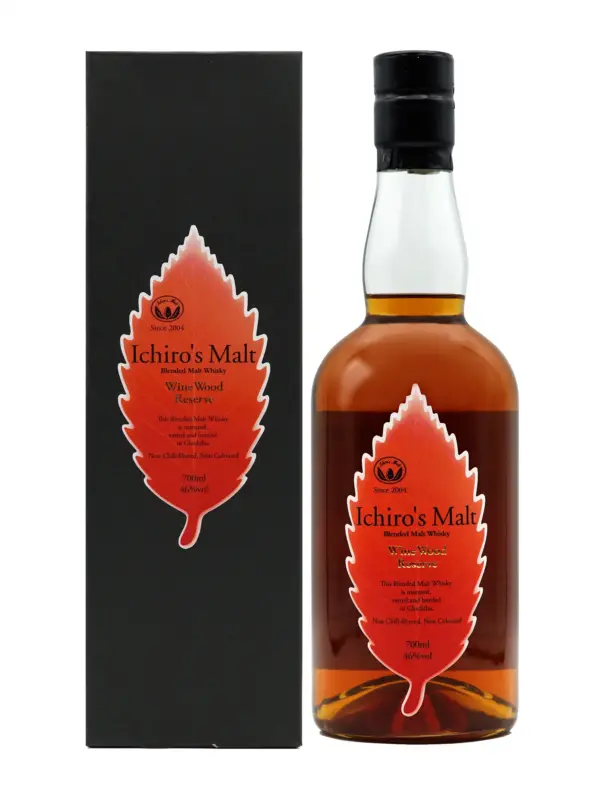
| Japan (Whisky Nights) | ¥11,800 (£59) |
| UK (Master of Malt) | ¥20,000 (£100) |
Conclusion: Japan offers far better value for low‑export whiskies.
Japan Is Cheaper: Example 2 (Limited Editions)
Limited editions are almost always cheaper in Japan. This is especially noticeable with releases from Yamazaki, Kanosuke and other distilleries whose special editions attract strong domestic demand.
Yamazaki Limited Edition 2022
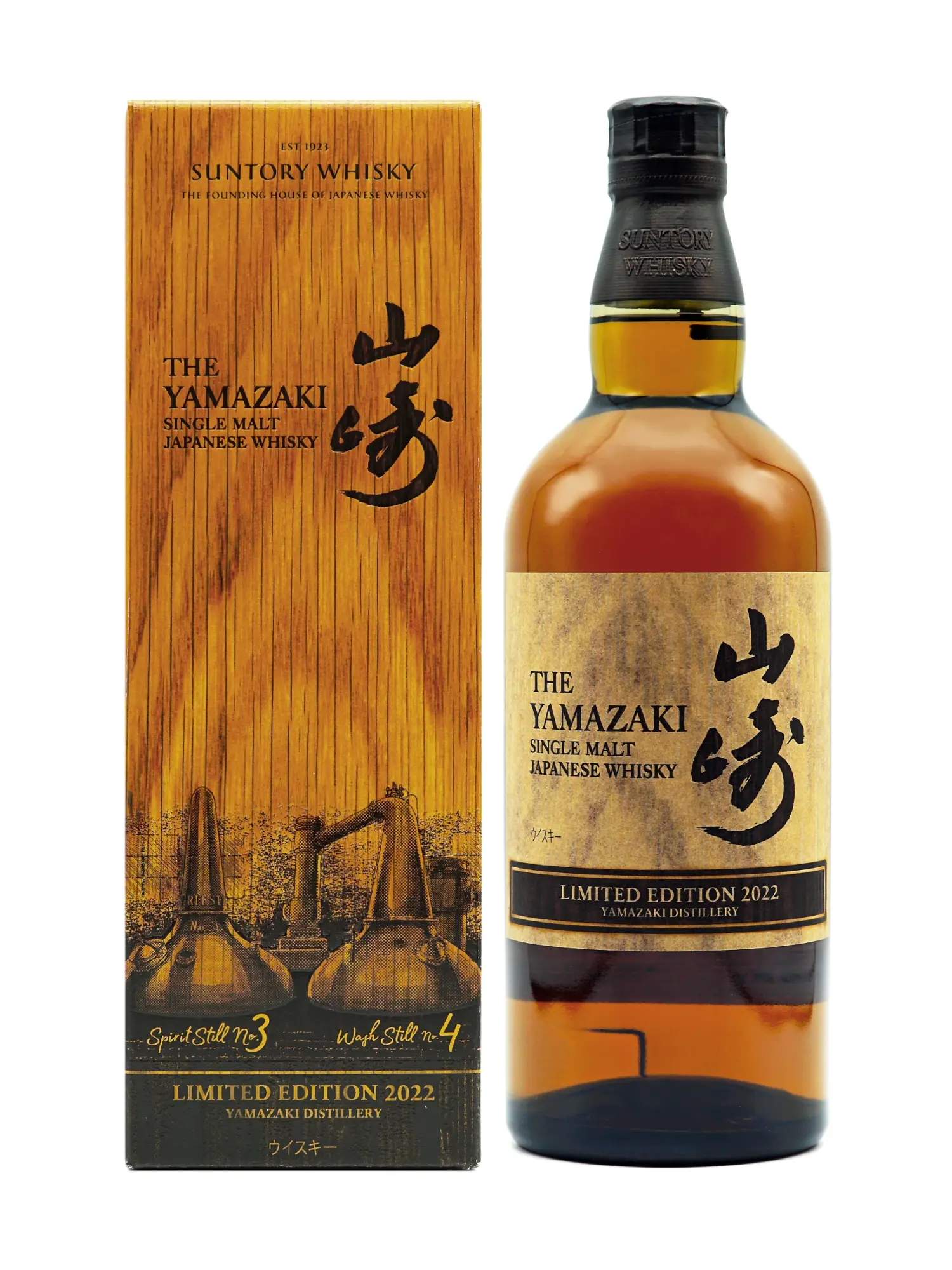
| Japan (Whisky Nights) | ¥36,000 (£180) |
| UK (Master of Malt) | ¥79,800 (£399) |
Conclusion: Limited editions are overwhelmingly better priced in Japan.
Japan Is Cheaper: Example 3 (High‑End Bottles)
High‑priced bottles tend to carry substantial premiums overseas. Even after adding shipping and duties, purchasing from Japan is often the more economical option.
Hibiki 21 Year Old

| Japan (Whisky Nights) | ¥99,000 (£495) |
| UK (The Whisky Exchange) | ¥150,000 (£750) |
Conclusion: High‑end bottles are typically cheaper in Japan.
Japanese Whisky Price Tiers
Japanese whisky spans a wide range of price points. Understanding these tiers helps buyers identify value, compare markets, and set realistic expectations when deciding whether to purchase in Japan or overseas.
Tip: You can switch currencies for all listed products in this section using the selector at the top of the website.
Under ¥5,000 — Entry‑level blends and NAS
What this tier represents: Affordable, everyday drinking whiskies. Simple, approachable, and widely available across Japan. These bottles form the foundation of the Japanese whisky market and are often purchased for casual drinking or as reliable daily staples.
Why this tier is surprisingly important: Although this price band appears basic at first glance, it is one of the most interesting categories for international buyers. Many whiskies under ¥5,000 are produced primarily for the Japanese domestic market and are not officially exported. When they do appear overseas, they are usually parallel‑import products, often priced three to four times higher than their Japanese retail equivalent.
Because of this, the value gap between Japan and overseas markets is especially pronounced in this tier.
Typical examples:
-
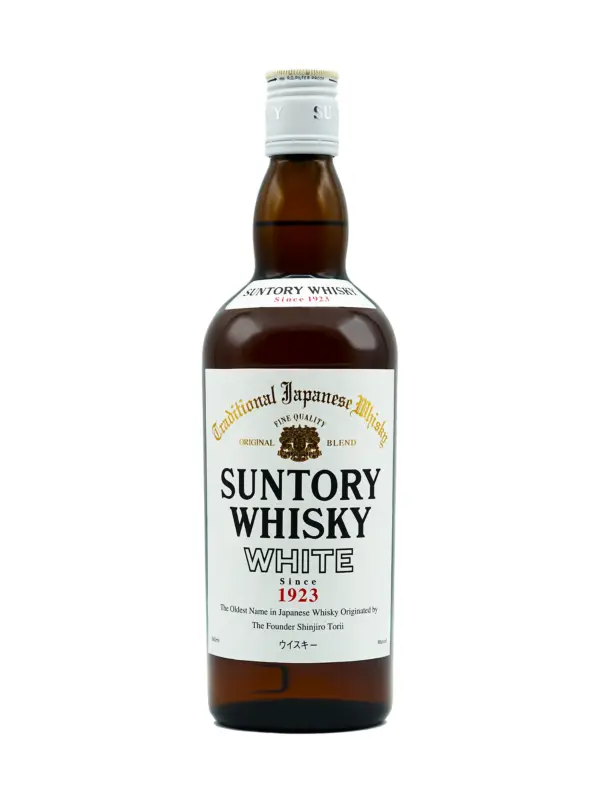
Suntory White
¥1,980 -
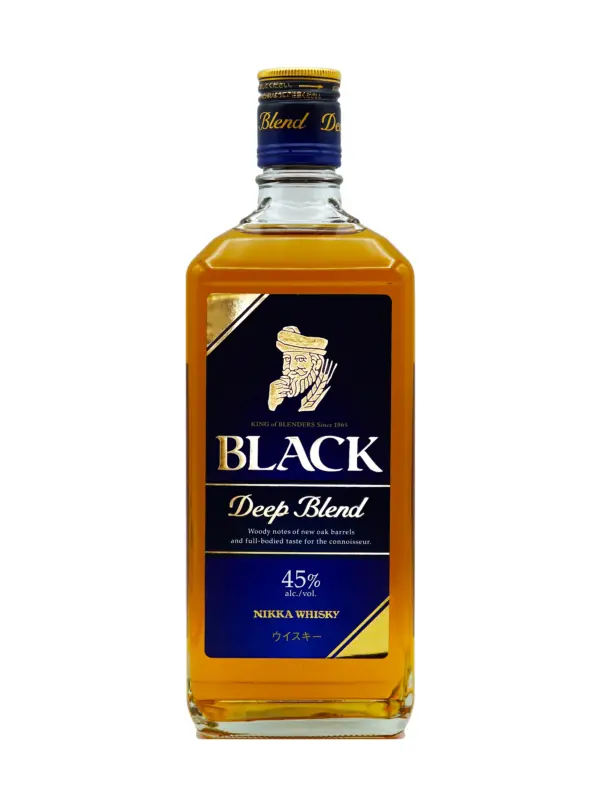
Nikka Black Deep Blend
¥2,500 -
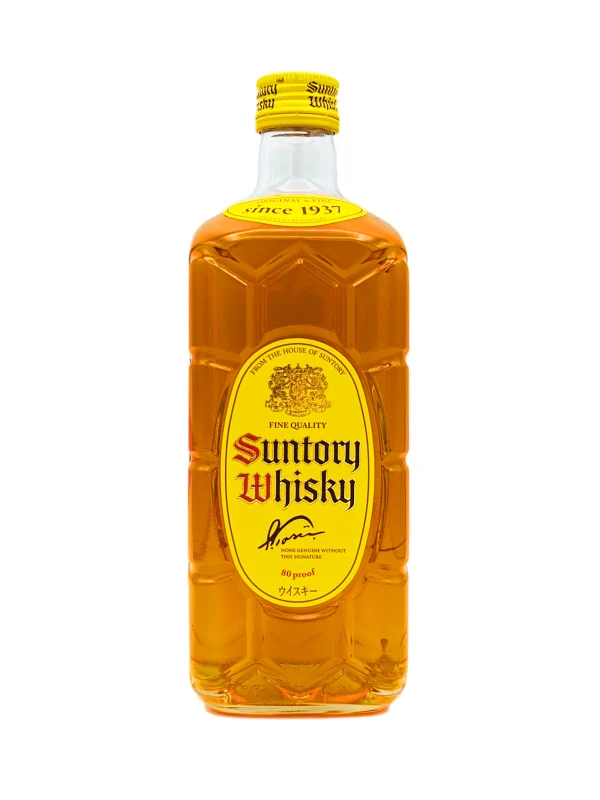
Suntory Kakubin Yellow Label
¥2,800 -
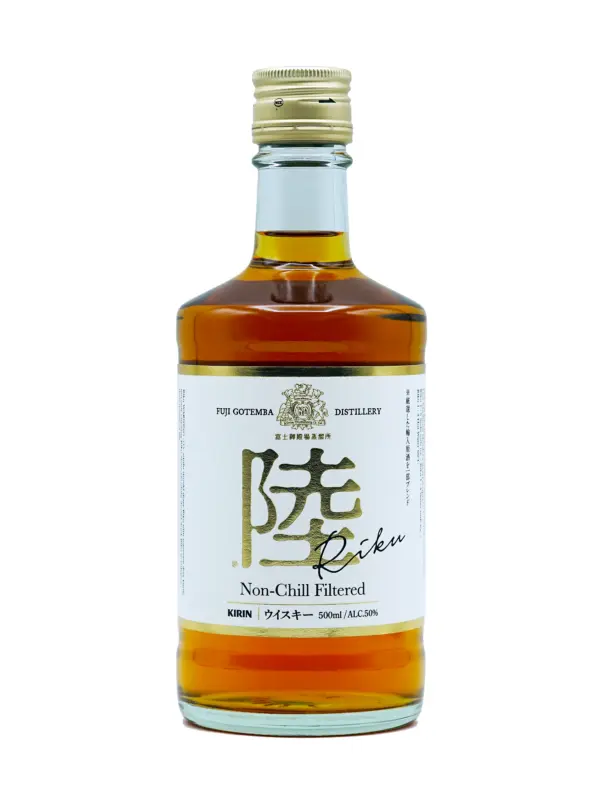
Kirin Riku
¥2,800 -
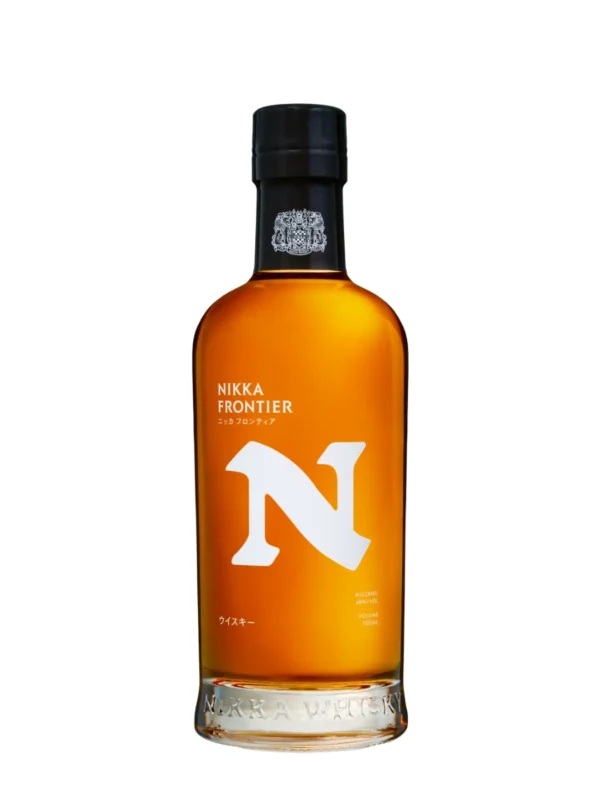
Nikka Frontier
¥2,800 -
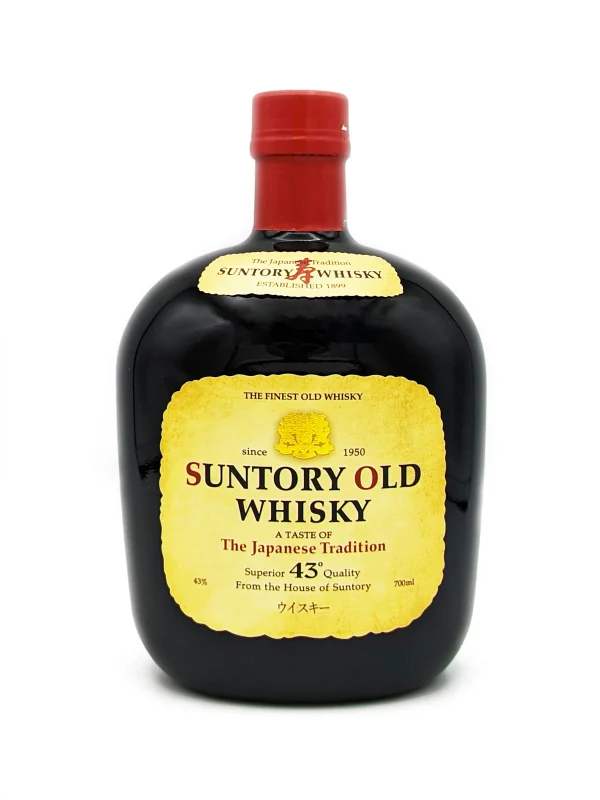
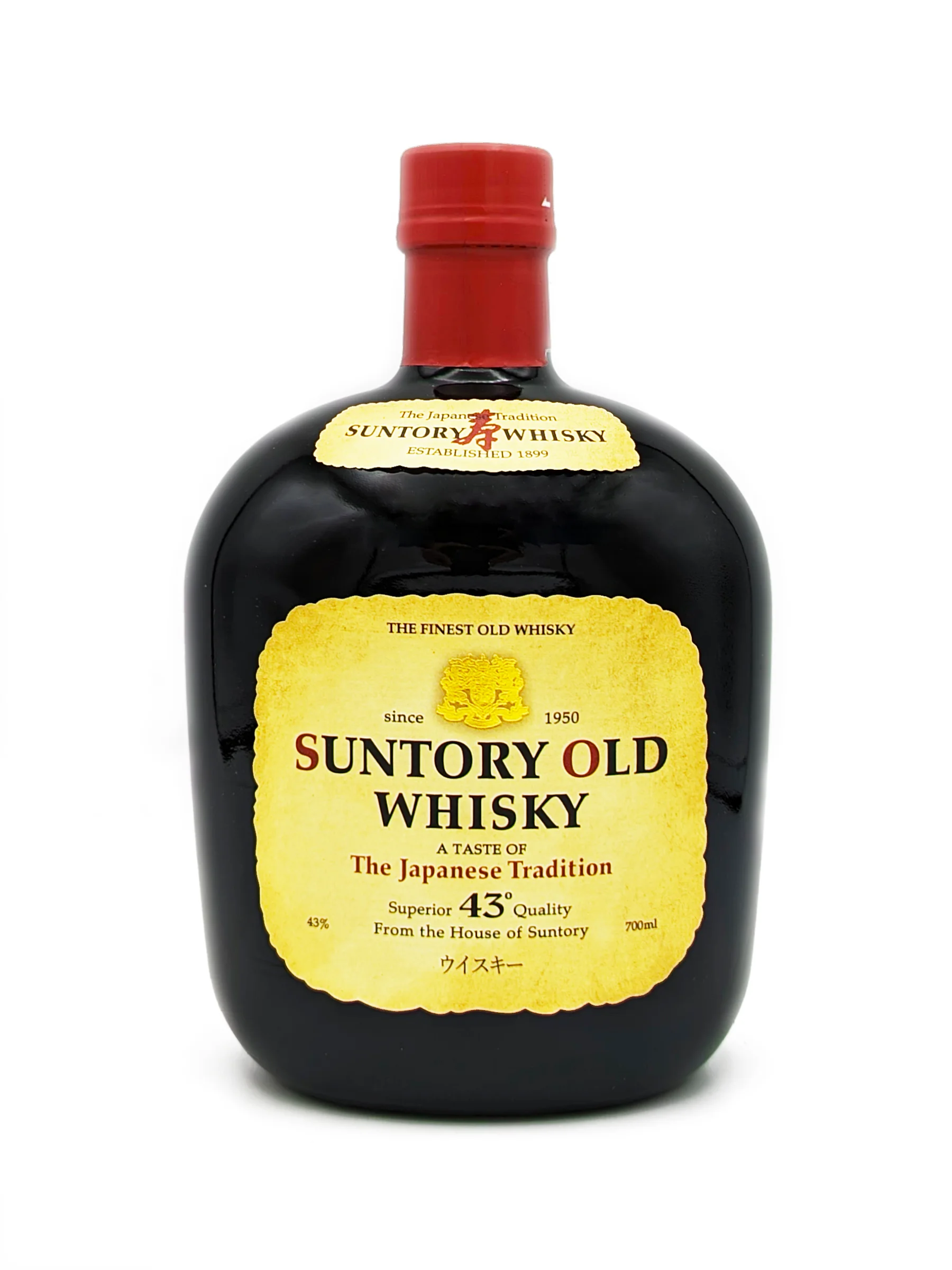
Suntory Old Whisky
¥3,600
¥5,000–¥10,000 — Popular Single Malts and Premium Blended Whiskies
What this tier represents: NAS single malts, blended malts, and premium blended whiskies that offer a clear step up in flavour, balance, and overall refinement. This tier includes many of Japan’s most recognisable modern single malts and premium blends.
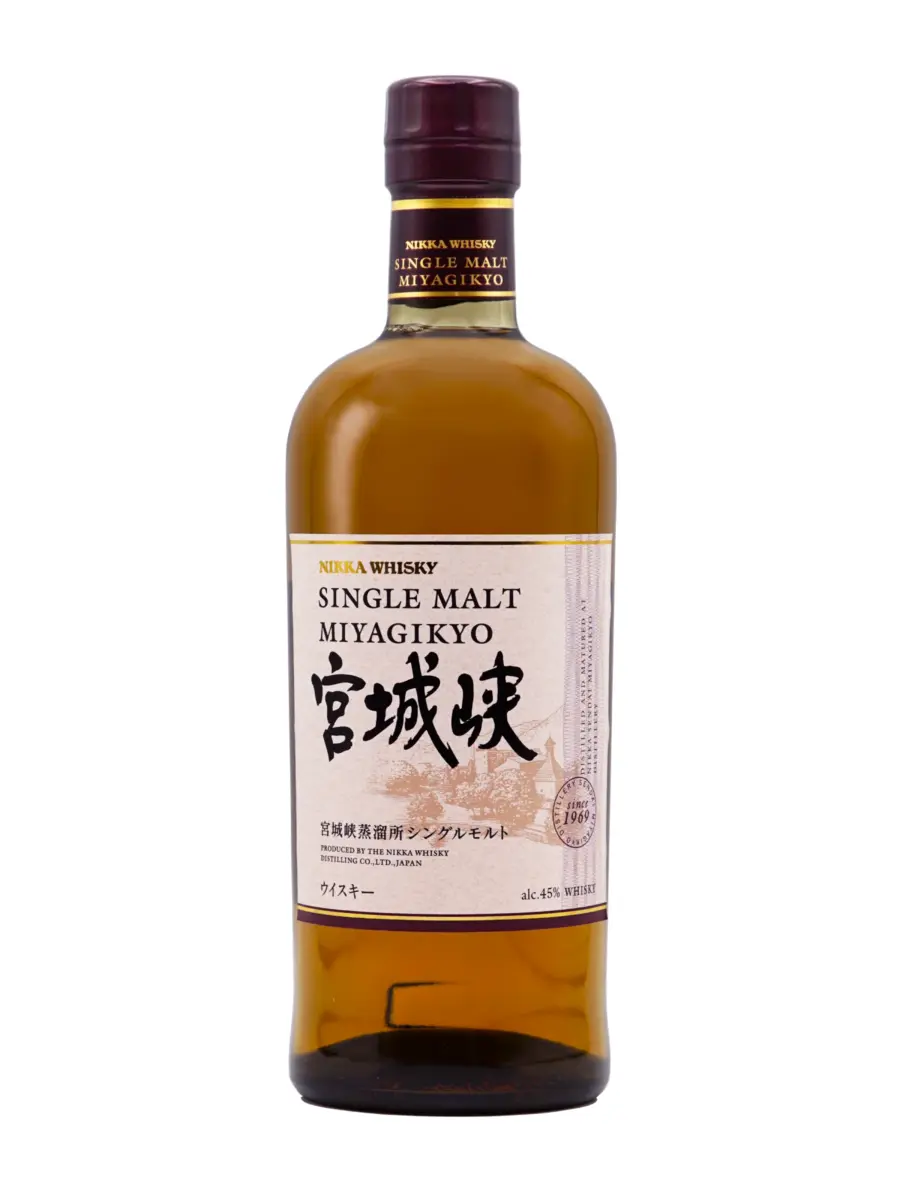
Why this tier is important: This price band is unique because export patterns vary widely. Some whiskies—such as Yoichi and Miyagikyo—are exported in large volumes and can even be cheaper overseas. Others, like Kirin Single Malt Japanese Whisky, receive only limited export and remain more affordable in Japan. And some bottles, such as Nikka Session, are primarily domestic releases, meaning overseas availability depends on parallel imports that often carry significant mark‑ups. Because these different categories coexist in the same price range, the Japan–overseas price gap can swing dramatically depending on the bottle.
Typical examples:
-
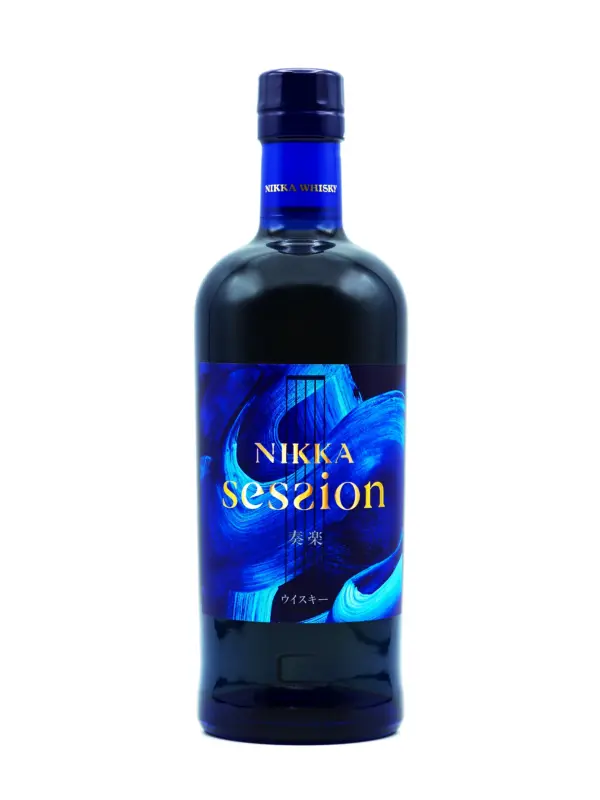
Nikka Session
¥5,900 -
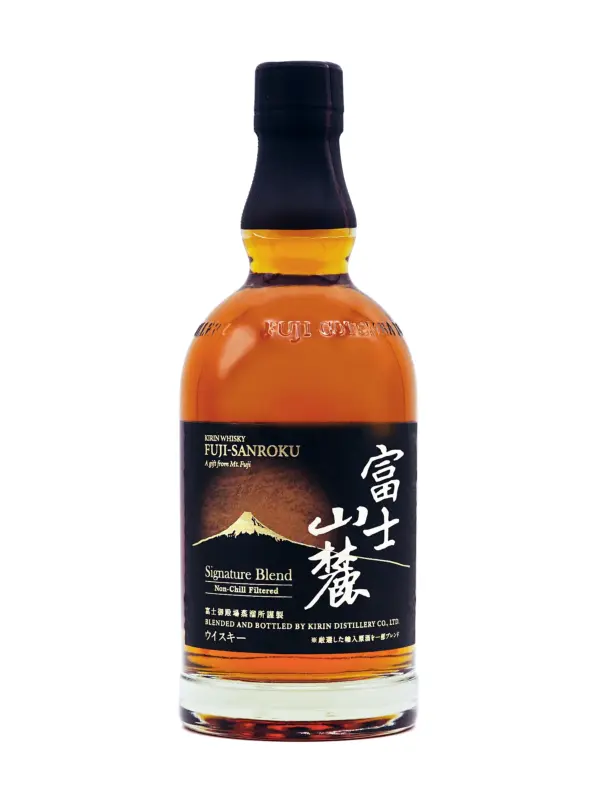
Kirin Fuji-Sanroku Signature Blend
¥7,800 -

Kirin Single Malt Japanese Whisky Fuji
¥8,800 -
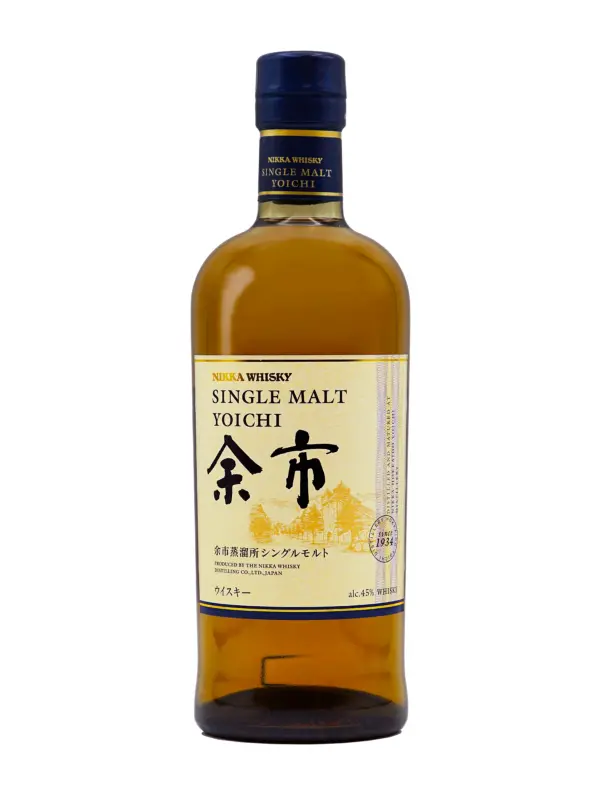
Yoichi Single Malt
¥9,000 -

Miyagikyo Single Malt
¥9,000 -
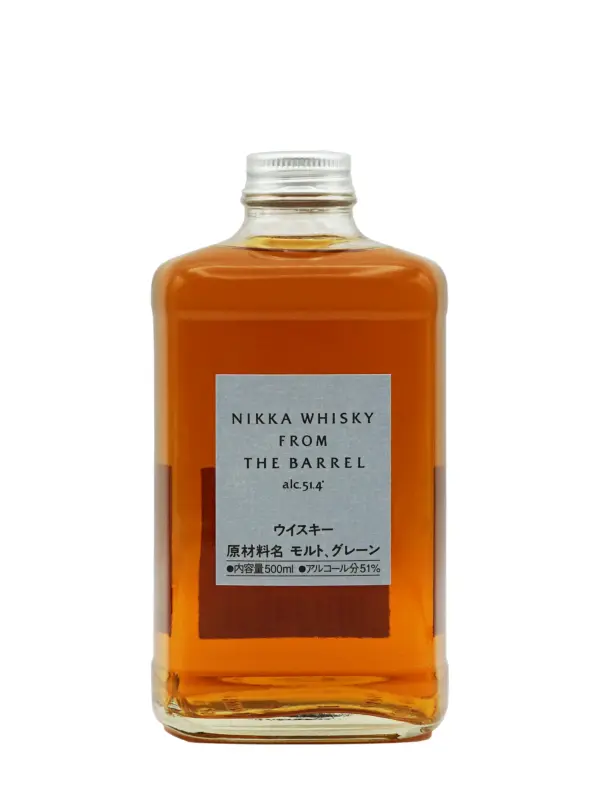
Nikka From the Barrel
¥6,800
¥10,000–¥20,000 — Modern Single Malts and Distillery‑Exclusive Releases
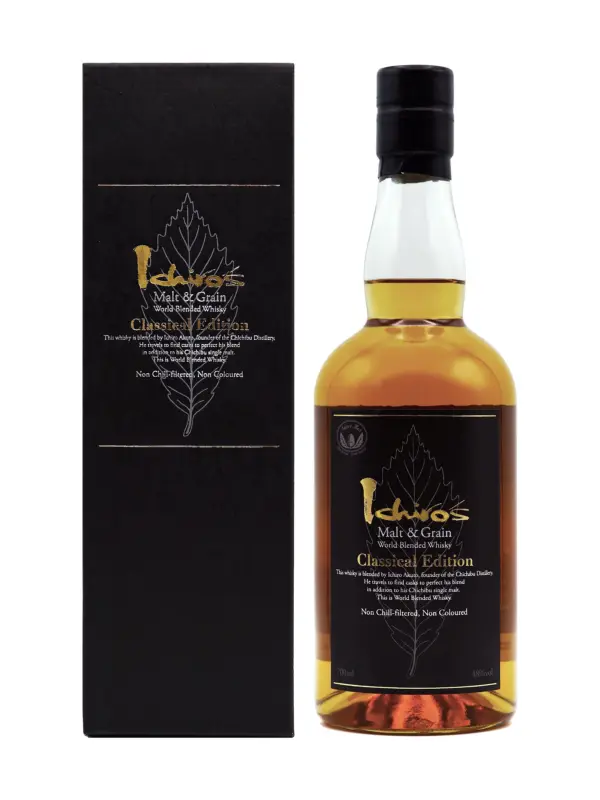
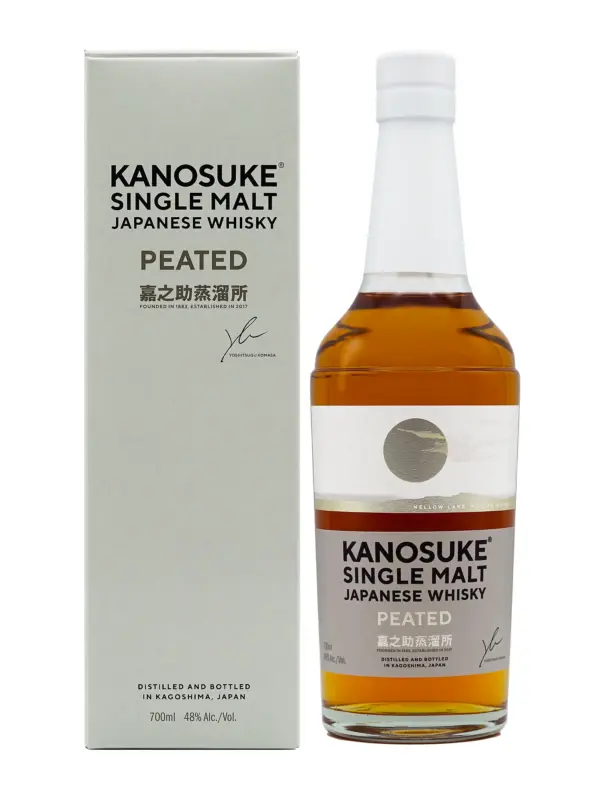
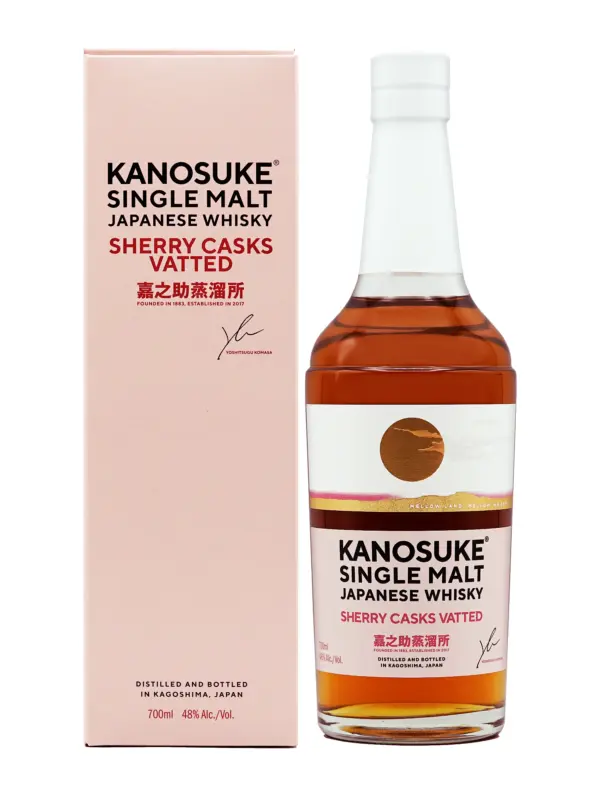
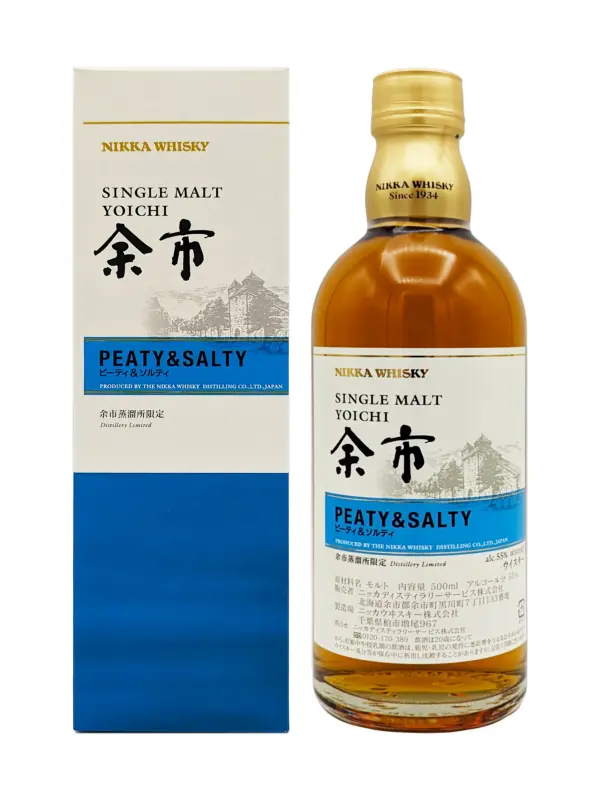
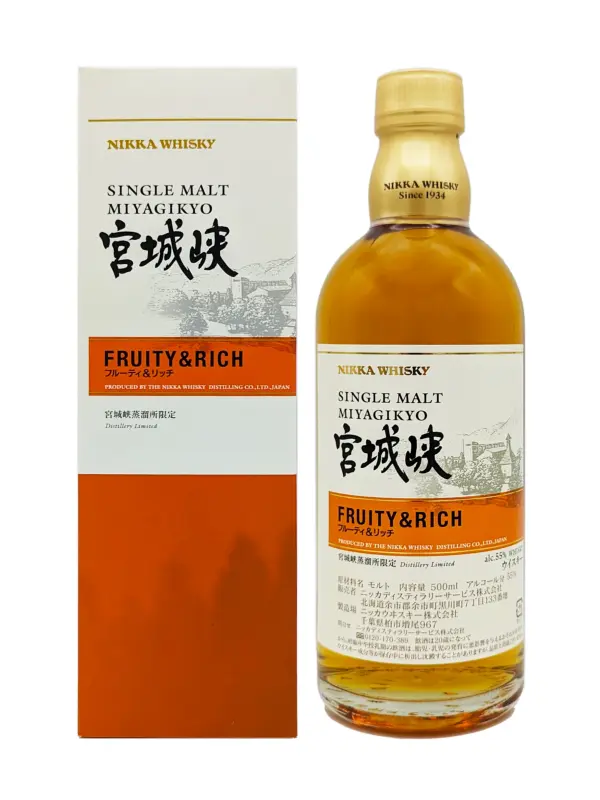
What this tier represents: Contemporary single malts from newer distilleries, premium blended malts, and distillery‑exclusive bottlings. These whiskies often deliver distinctive styles and higher complexity while remaining within reach for most enthusiasts.
Why this tier is important: Export patterns in this price band vary significantly. Some whiskies—such as Yoichi Peaty & Salty Distillery Limited—are Japan‑exclusive, creating large price gaps when they appear overseas through parallel imports. Others, like Ichiro’s Malt & Grain Classical Edition, are primarily domestic releases with limited export, making Japanese retail notably cheaper. At the same time, certain NAS single malts in this tier are exported more widely, resulting in smaller price differences. Because these categories coexist, the Japan–overseas price gap can range from minimal to substantial depending on the bottle.
Typical examples:
¥20,000–¥50,000 — Age‑Stated Whiskies and High‑End Limited Editions
What this tier represents: Older age‑stated expressions, higher‑tier limited editions, and premium releases from major distilleries. These whiskies offer greater maturity, depth, and collectability, and include some of the most recognisable names in Japanese whisky.
Why this tier is important: This price band brings together two very different types of whiskies, and that contrast has a major impact on Japan–overseas price differences. Bottles such as Yamazaki 12 Year Old and Hakushu 12 Year Old are exported in large volumes and are extremely popular internationally, meaning they can sometimes be cheaper to buy locally overseas. In contrast, limited releases such as Hibiki Blossom Harmony or Kanosuke Artist Edition are primarily aimed at the Japanese market and tend to rise sharply in price abroad, making Japan’s domestic retail significantly more advantageous. Because both mass‑exported staples and Japan‑exclusive limited editions sit within this same tier, the price gap varies widely depending on the bottle.
Typical examples:
-
Yamazaki 12 Year Old
¥24,800 -
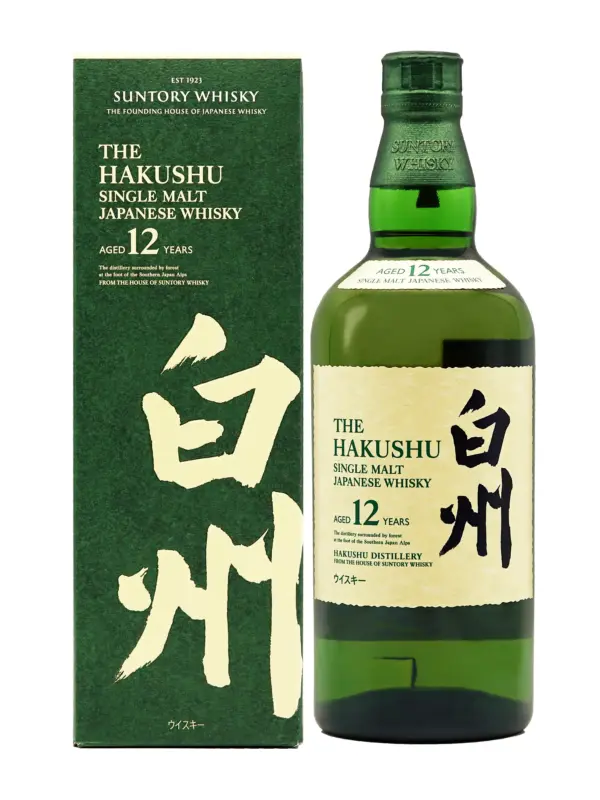
Hakushu 12 Year Old
¥24,800 -

Saburomaru VI The Lovers
¥28,000 -
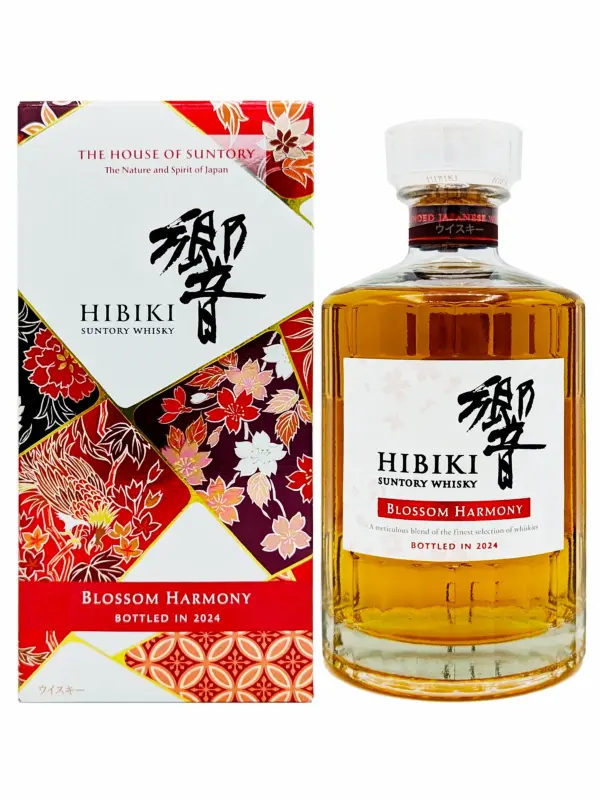
Hibiki Blossom Harmony 2024
¥29,500 -
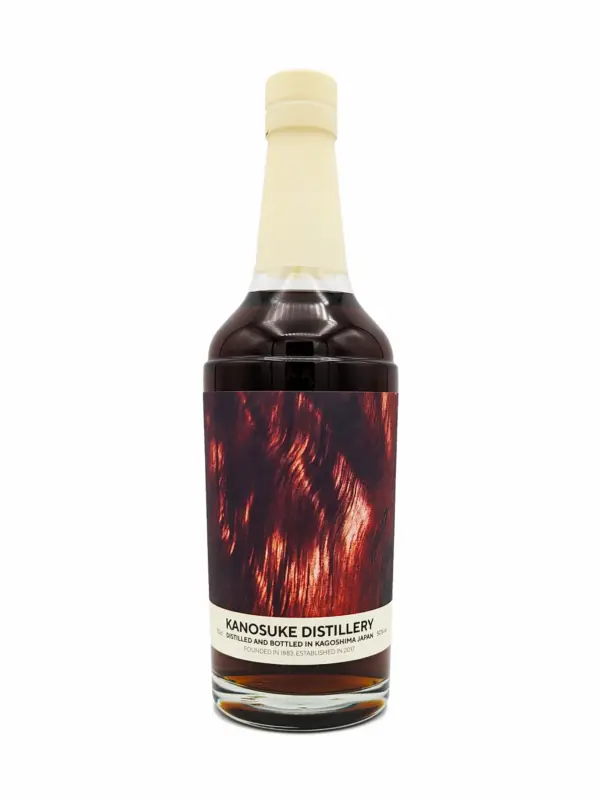
Kanosuke Artist Edition #002
¥42,000 -
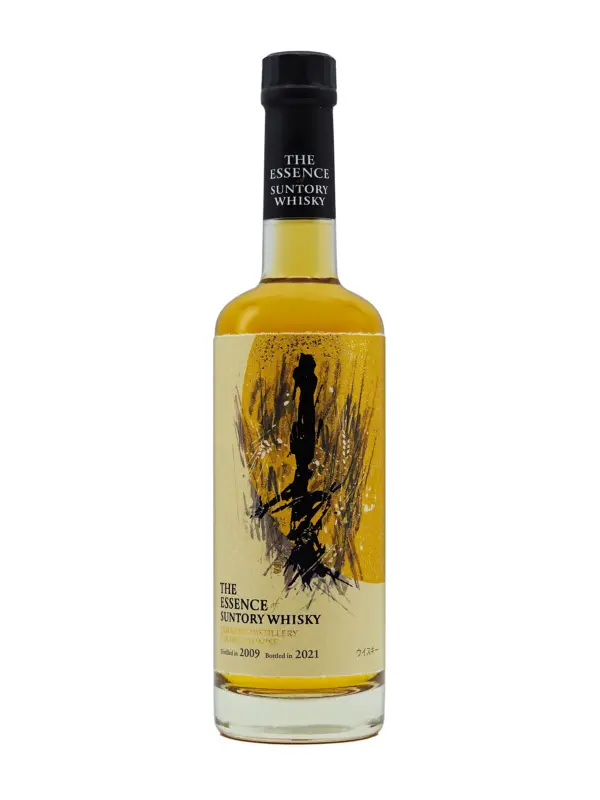
The Essence of Suntory Whisky Yamazaki 12 Year Old Golden Promise
¥45,000
https://whisky-nights.com/best-value-japanese-whisky-under-10000/
¥50,000+ — Rare, Discontinued, and Collector‑Grade
What this tier represents: Investment‑grade bottles, discontinued age statements, rare single casks, and high‑end limited editions. These whiskies appeal to collectors and enthusiasts seeking scarcity, maturity, and long‑term value.
Why this tier is important: At this level, buying directly from Japan is almost always cheaper. Many bottles in this tier are released in very limited quantities, and a large proportion—especially single casks and special editions—are available only within Japan. When they appear overseas, they typically do so through parallel‑import channels with substantial mark‑ups. As a result, the Japan–overseas price gap is often the largest in this entire price spectrum, and certain bottles may be effectively unobtainable outside Japan.
Typical examples:
-

Kanosuke Single Cask Mizunara 10th Anniversary
¥78,000 -

Hanyu Genesis
¥85,000 -

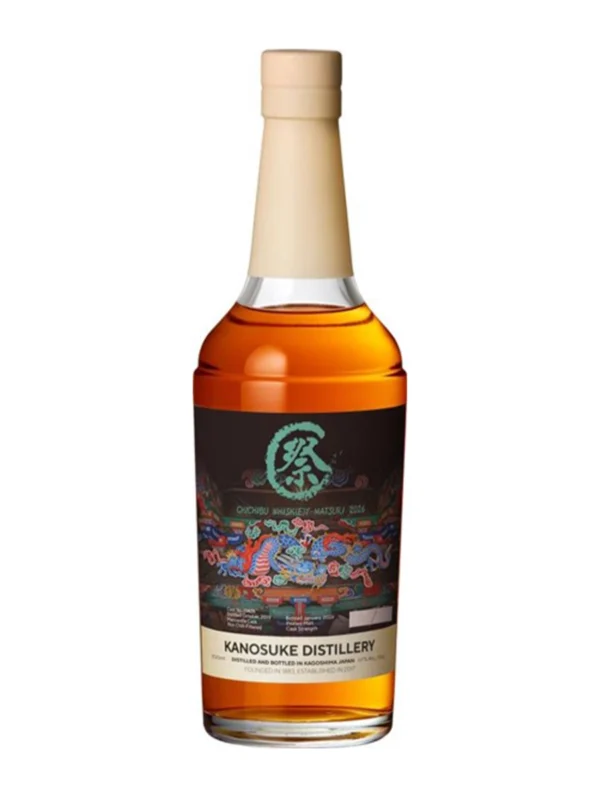
Kanosuke 2018 6 Year Old Single Cask #19048 Chichibu Whisky Matsuri 2025
¥98,000 -

Kanosuke Crane & Sky #4 for Whisky Talk Fukuoka 2024
¥99,000 -
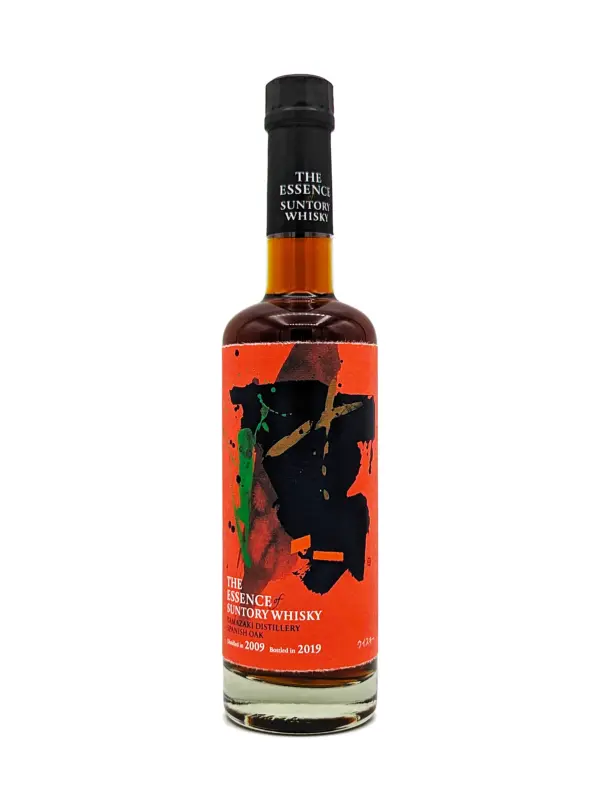
The Essence of Suntory Yamazaki 2009 Spanish Oak
¥110,000 -
Hibiki 21 Year Old
¥99,000
Explore our curated selection by price tier to discover which bottles truly stand out, from affordable daily drams to premium mid-range expressions:
Best Value Japanese Whisky Under ¥10,000
Best Mid‑Range Japanese Whisky Under ¥30,000
Price Ranges by Major Distillery: Where to Buy and Why
Pricing isn’t just about the bottle; it’s about geography. To save you money, we’ve broken down when you should shop locally and when you should source directly from us in Japan.
Suntory (Yamazaki, Hakushu, Hibiki)
Suntory is the global face of Japanese whisky. Because of their massive distribution network, standard age-stated bottles like Yamazaki 12 or Hakushu 12 are widely available in Europe and the US.
- The Verdict: If you are in the UK or France, check Master of Malt, The Whisky Exchange, or La Maison du Whisky first. Between shipping costs and import duties, buying these specific “global” bottles from Japan can often be more expensive.
- Buy from Japan when: You are looking for Japan-exclusive releases like Yamazaki Limited Edition or Hibiki Blossom Harmony. These are often heavily overpriced overseas due to low supply. In these cases, buying from Whisky Nights is almost always the smarter financial move.
-
Yamazaki 12 Year Old
¥24,800 -
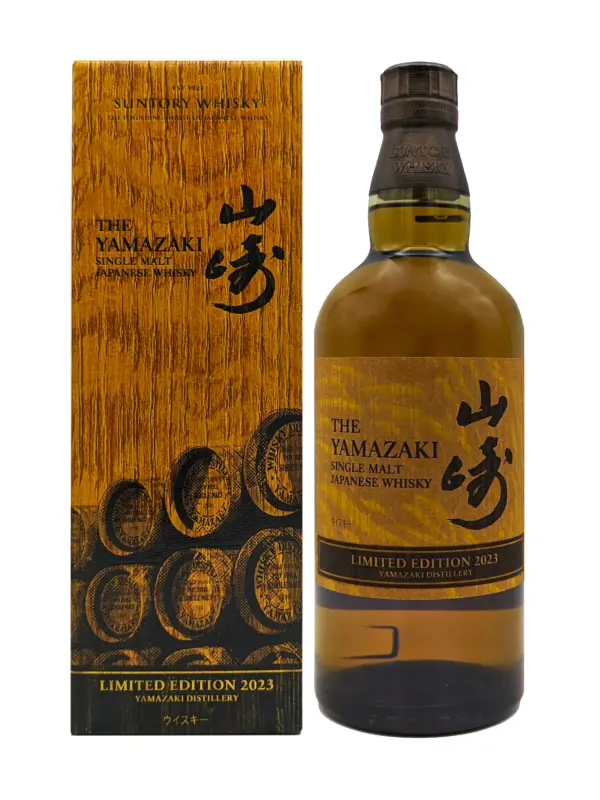
Yamazaki Limited Edition 2023
¥34,000 -
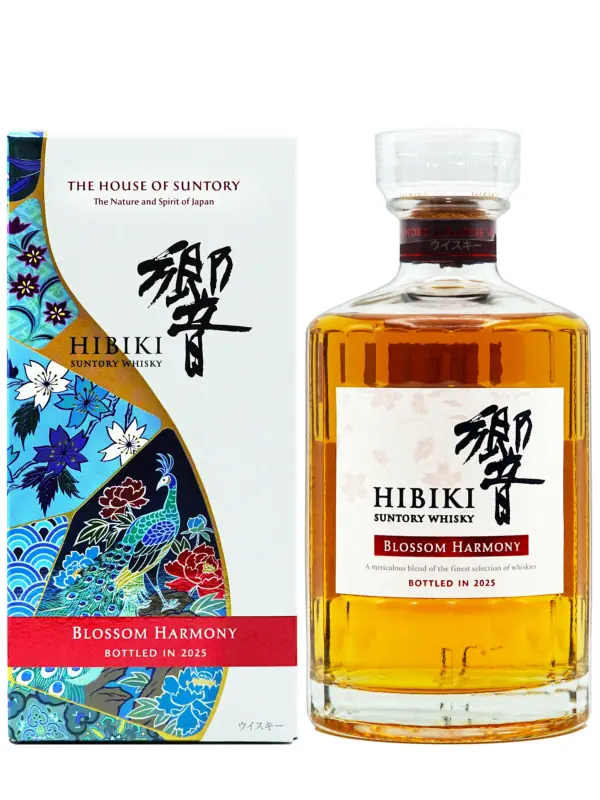
Hibiki Blossom Harmony 2025
¥29,500
Nikka (Yoichi, Miyagikyo)
Nikka’s pricing is relatively stable globally. For standard bottles, you might find that prices after shipping are similar whether you buy locally or from Japan.
- The Verdict: Don’t just buy the basics.
- Buy from Japan when: You want the “hidden gems.” Bottles like Nikka Session (predominantly a Japan release) or the Distillery-Exclusive bottlings of Yoichi and Miyagikyo are rarely found on overseas shelves at reasonable prices. These are the true prizes for Nikka fans.
-
Nikka Session
¥5,900 -
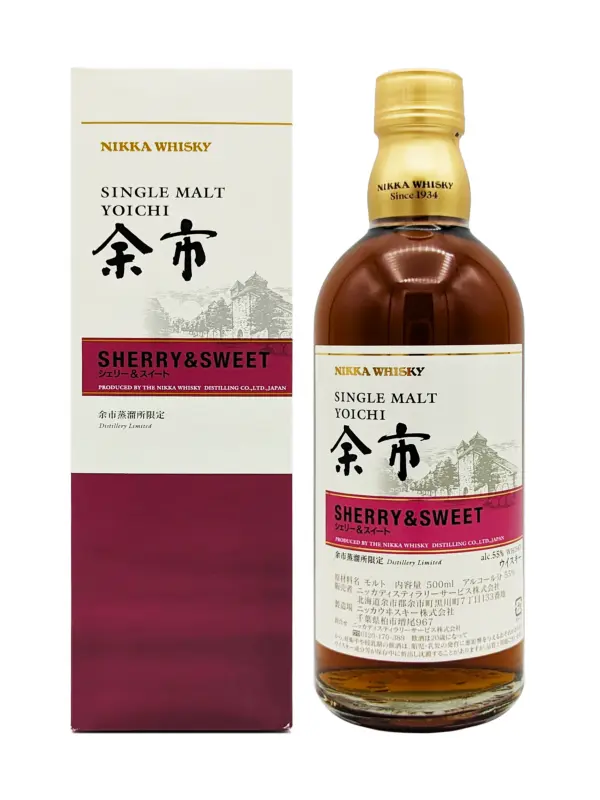
Yoichi Sherry & Sweet Distillery Limited
¥17,800 -
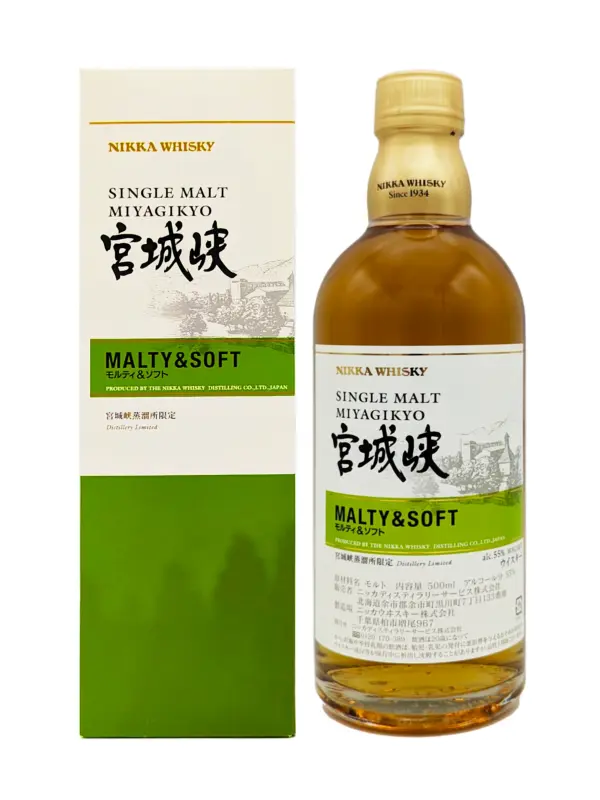
Miyagikyo Malty & Soft Distillery Limited
¥16,800
Chichibu (Ichiro’s Malt)
Chichibu is legendary, but its distribution is a bit of a puzzle.
- The Verdict: If you want the entry-level White Label (Malt & Grain), buy it locally in your own country—it’s widely exported. Also, if you’re looking for the London Edition or Paris Edition, buy them in those respective cities; importing them back from Japan is expensive because we’ve already paid the re-import costs!
- Buy from Japan when: You want the core premium range like Wine Wood Reserve, Double Distilleries, or the Classical Edition. These remain focused on the Japanese market and are much cheaper here. (And honestly, for the endless sea of Single Casks—God help us all—it’s a chaotic market, but Japan is where the hunt begins.)
Shizuoka, Mars, Akkeshi, Kanosuke
These “New Wave” distilleries are gaining traction. While their flagship exports are priced competitively worldwide, their full lineup stays in Japan.
- The Verdict: For a standard bottle that is already sitting on a shelf in London or New York, the price gap is usually small.
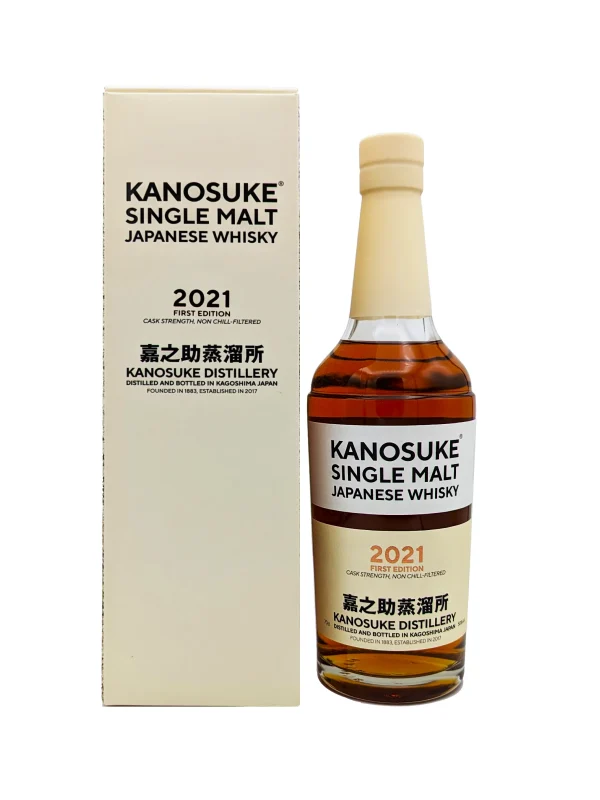
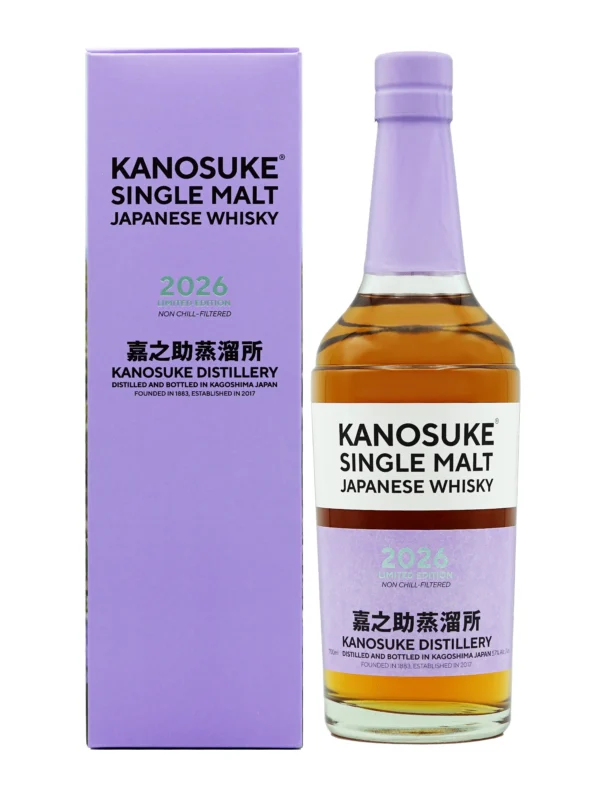
- Buy from Japan when: You want the depth of the range. For example, while Kanosuke Single Malt 2022/2023 Limited Editions were exported, many other years and specific Single Cask bottlings never leave Japanese soil. If you want the bottles that “got away,” you have to source them from the source.

Japan MSRP vs Overseas Prices
Japanese whisky is often significantly cheaper in Japan than abroad. Understanding why helps buyers make informed decisions—especially when comparing domestic retail prices with overseas mark‑ups or considering whether importing from Japan is worthwhile.
Why Japanese whisky is cheaper in Japan
Domestic pricing reflects Japan’s relatively efficient distribution system, lower retailer margins, and tax structures that favour local sales. Many distilleries also prioritise the Japanese market, meaning domestic allocations are larger and prices remain closer to the intended MSRP. For certain bottles—particularly limited editions and age‑stated releases—Japan is often the only market where prices stay near their original retail level.
Import taxes and distributor mark‑ups
Once a bottle leaves Japan, several layers of cost are added before it reaches a foreign retailer. Import duties, customs fees, international shipping, insurance, and distributor margins can push prices far above Japanese retail levels. In some markets, the final shelf price can be double or even triple the domestic price, especially for bottles with limited overseas allocation.
Real customer example: Importing from Japan can still be cost‑effective
A verified Trustpilot review from a customer in New Zealand illustrates how importing can remain cheaper than buying locally—even after duties and shipping. The customer purchased Sakurao Single Malt and Togouchi Single Malt from Whisky Nights:
“Love the prices of the drinks. Sad that NZ has like a $50 import on spirits but even so it’s cheaper than buying locally for more expensive bottles. Delivery was in the country 1 day after order and then delivered within 1–2 days (was probably delayed because of import fee payments).”
This example highlights a common pattern: for mid‑range and high‑end bottles, importing directly from Japan can still offer better value than purchasing from local retailers abroad. More verified reviews can be found on our Trustpilot page: https://jp.trustpilot.com/review/whisky-nights.com
Conclusion — Understanding the Market
Japanese whisky pricing is shaped by export strategy, domestic allocation, and global demand. Mass‑exported bottles such as Yamazaki 12, Hakushu 12, and core Nikka expressions can be competitively priced overseas, particularly in markets with strong distribution such as the UK and France. In contrast, Japan‑exclusive releases, distillery‑only bottlings, single casks, and small‑batch limited editions remain significantly cheaper in Japan, as overseas availability depends on parallel imports with substantial mark‑ups.
Understanding these structural differences is essential when deciding where to buy. For globally distributed staples, local retailers may offer better value; for limited editions and Japan‑focused releases, sourcing directly from Japan continues to provide the strongest advantage.

Japanese Whisky
Explore the finest Japanese whiskies at Whisky Nights. Discover a curated selection from renowned distilleries like Suntory, Nikka, Kanosuke, and Nagahama. Find rare, limited editions and classic expressions, all available with worldwide delivery. Read reviews and find your perfect bottle of Japanese whisky today.
About Whisky Nights
Whisky Nights is a Japan-based online liquor store and whisky publication offering clear, reliable information and carefully selected bottles for international customers worldwide.
Learn more about us